 Facebook
 X
X
 Pinterest
 Copy Link
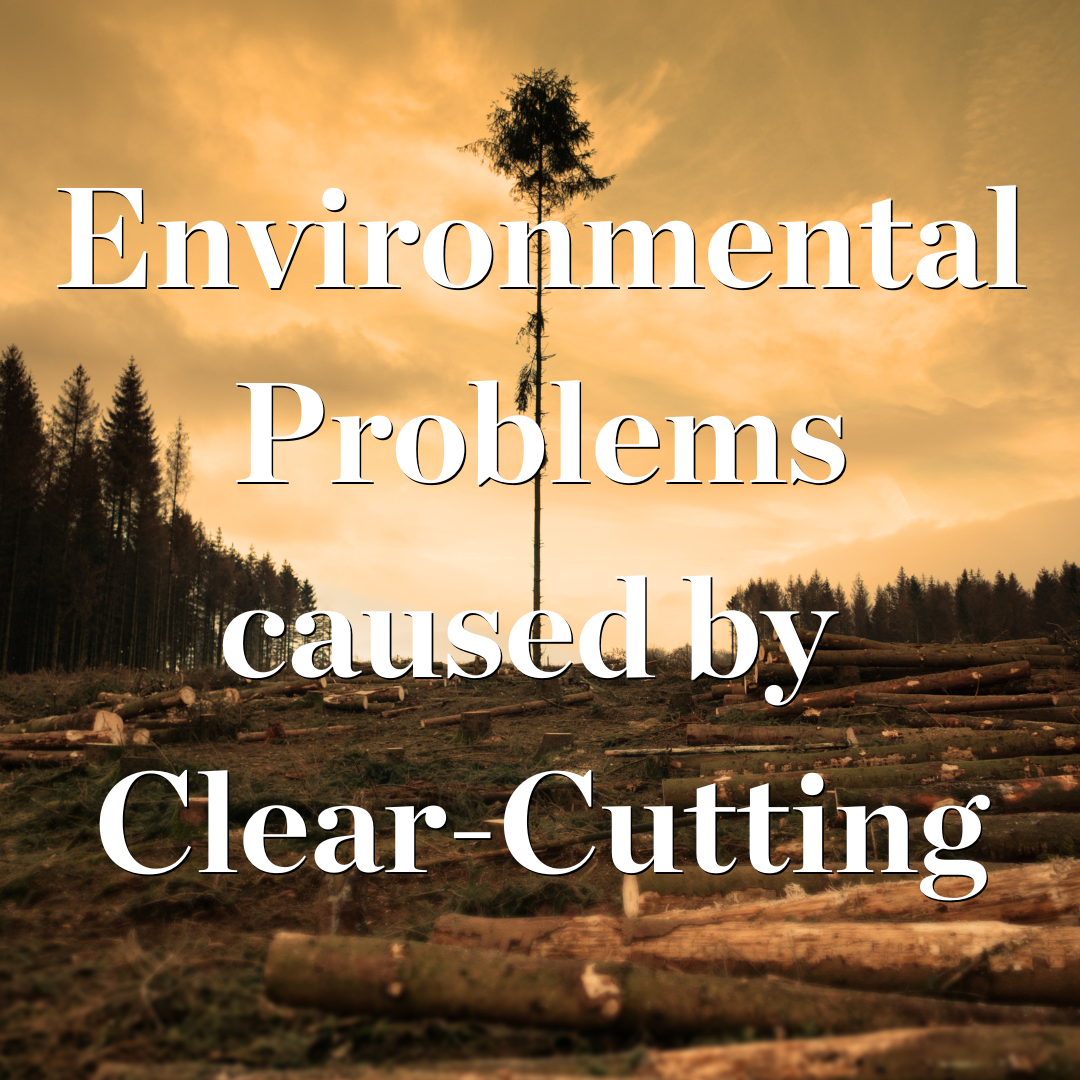
While clear-cutting might seem like a quick and easy way to make room for construction, it causes several environmental problems that end up costing a lot in the future:
1) Increased Flood Risk Trees help absorb and slow down rainfall, reducing the risk of flooding. Clear-cutting increases the likelihood of flooding in nearby areas by removing this natural buffer, leading to property damage and costly flood management measures.
2) Soil Erosion Trees play a crucial role in preventing soil erosion. Their roots hold the soil together, preventing it from being washed away by rain or blown away by wind. When trees are removed through clear cutting, the soil becomes more vulnerable to erosion, which can lead to problems like landslides and sedimentation in nearby waterways.
3) Water Quality Trees play a crucial role in filtering water. Without them, pollutants from construction activities can easily seep into rivers and streams, harming aquatic life and making water unsafe for human use.
4) Economic Costs While clear cutting may seem like a cheap and efficient way to prepare land for construction, the environmental problems it causes can lead to significant costs in the long run. For example, repairing damage from soil erosion, restoring habitats for endangered species, or cleaning up polluted water sources is expensive and time-consuming.
5) Loss of Resources Forests provide us with many resources like timber, medicine, and food. Clear-cutting without sustainable management means we’re using up these resources faster than they can replenish. This can lead to shortages and increased costs for these resources in the future.
6) Climate Change Trees absorb carbon dioxide, a greenhouse gas that contributes to climate change. When forests are cleared, this natural carbon sink is lost, leading to higher levels of carbon dioxide in the atmosphere. This can increase impacts of global warming, such as more frequent and severe weather events.
7) Loss of Biodiversity When trees are cleared, different animals and plants lose their habitats, and some may even become endangered or extinct. This loss of biodiversity can disrupt entire ecosystems, leading to long-term consequences.
 Aesthetic Impact
 Clear-cutting can drastically alter the landscape, resulting in visual blight and negatively impacting the psychological well-being of nearby residents. Restoring or mitigating these aesthetic impacts can require significant resources and investment. Clear-cutting for construction may save money in the short term, but it often leads to environmental problems that add to costs in the future. By considering the long-term impacts and exploring alternative methods, such as selective logging or sustainable development practices, we can minimize these costs and protect our natural resources for future generations.
Uncategorized •
September 14, 2024
Environmental Problems Caused by Clear-Cutting